Knowledge Engineering
Nov 13, 2025
The New Moat for AI Products
Those who understand their knowledge best are the frontrunners of AI’s next era right now.
It’s not about those who can code the fastest anymore.
Every great AI product starts with a simple truth: the quality of your model depends on the quality of what it learns from.
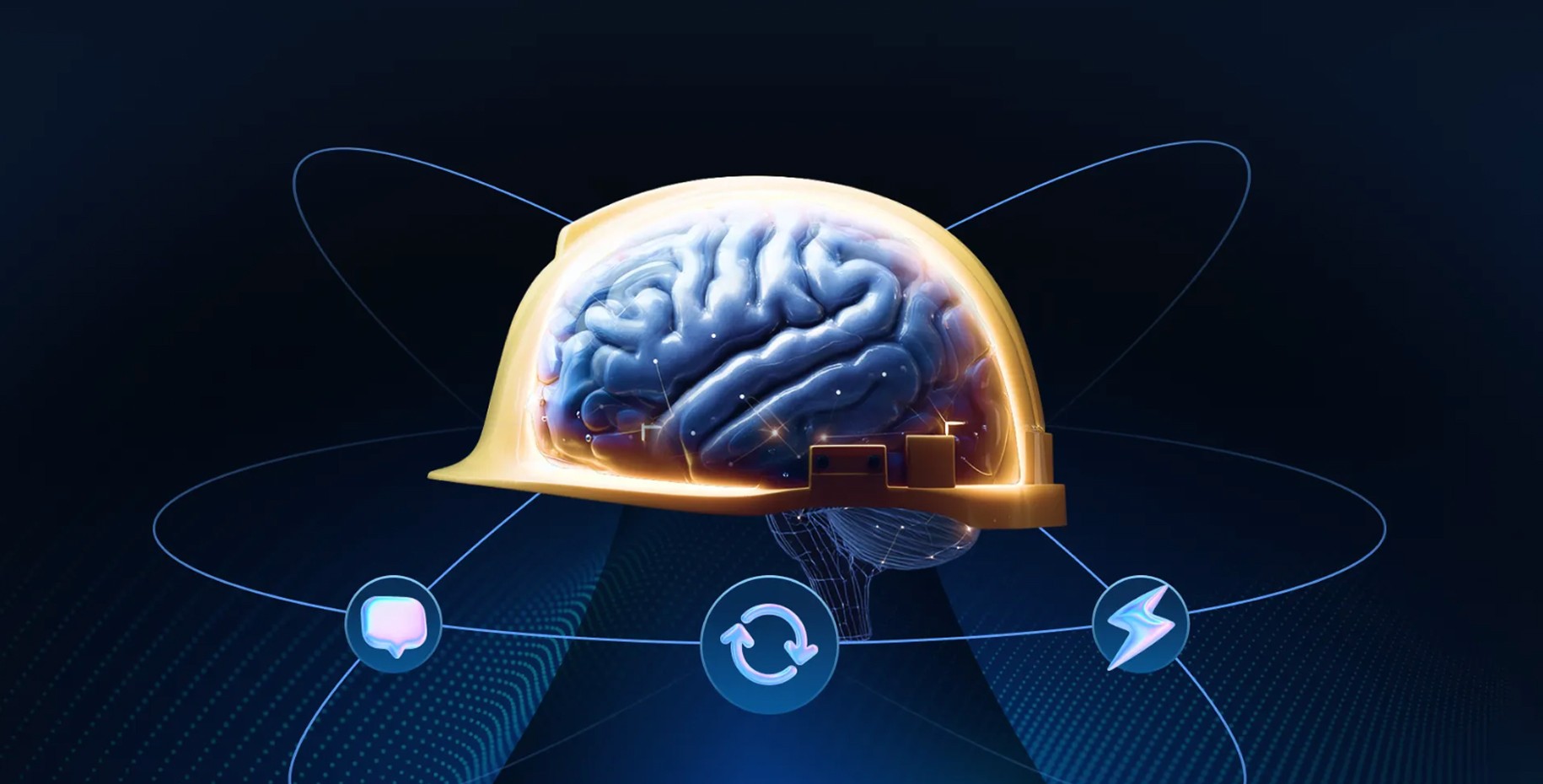
We’re entering a stage where knowledge engineering, or in other words, how you structure, refine, and organize your information becomes the new moat.
It’s what separates apps that feel smart from ones that are actually smart.
At Creme Digital, we’ve seen this shift up close while helping founders turn raw ideas into AI products that actually work.
Here’s why knowledge is becoming the real differentiator, and how the smartest teams are designing for it before they ever write a line of code.
The Rise of the Knowledge Base
Most teams still treat knowledge like an afterthought. A few notes in Notion, a handful of chat transcripts, maybe some docs floating around Google Drive.
But in AI, your knowledge base is your foundation.
It’s what your models learn from and reference when generating insights or automations.
So when that base is messy, then obviously your product outputs are going to be messy too.
When it’s structured with intent, categorized, tagged, and written in the language your users understand, that’s when AI starts performing like a domain expert.
We’ve started calling this the ‘Knowledge Stack’.
It’s the hidden infrastructure behind every AI workflow:
Source data (what your product learns from)
Context layer (how that data is organized)
Interaction layer (how users access that knowledge)
If you get this right, your AI will start to think and not just simply respond.
Why Knowledge Engineering Is the New Product Design
For a long time now, traditional app builders have been thinking in terms of features.
But now with the introduction of the knowledge base, builders are now thinking in terms of context.
In this new wave, product design starts with documentation.
That means mapping out what your system needs to know before deciding what it needs to
do.
For example, when we work with founders using tools like Lovable or Supabase, we start with a knowledge audit:
What do your users ask most?
What documents, insights, or processes define how your business works?
What language do you use internally that an AI might need to understand?
Once that’s mapped, we design the data structures and prompts around that knowledge.
The result: apps that feel 10x more intuitive because they were built with knowledge baked in from the start.
How to Design Your Knowledge Layer
If you’re building your first AI-powered product, here’s the new stack to think about:
Source of Truth – Centralize your knowledge (Google Docs, Notion, PDFs, client files) into one clean system.
Structure – Use categories, tags, and relationships that mirror how humans think and not how databases store.
Context Enrichment – Add examples, scenarios, and rules that teach your model why something works as opposed to just teaching it what something is.
Integration Layer – Connect your knowledge base to your app through APIs or embeddings so it’s always live and evolving.
This foundation will save you weeks of rework later.
More importantly, it makes your AI reliable because it’s built on truth you control.
Final Thoughts
The new wave of AI products are now becoming more and more knowledge based.
It’s not about being better or faster anymore.
Those who document early, structure clearly, and maintain their knowledge base as they grow will outscale teams that rely on technical skills alone.
Code and models will always have updates and will always change.
But knowledge, when engineered right, compounds.
At Creme Digital, that’s where we build: at the intersection of knowledge, context, and creation. Where clarity puts you ahead.